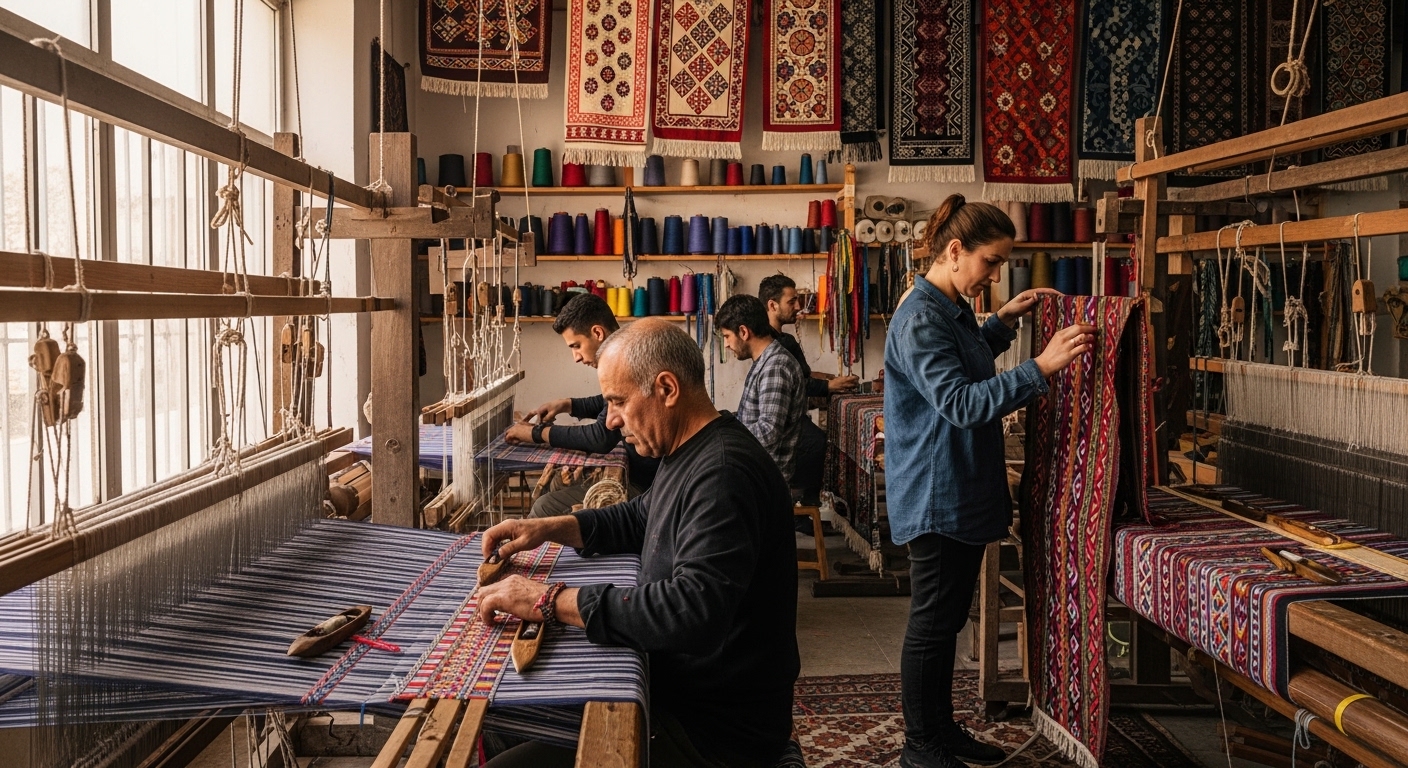
Textile weaving has long been a fundamental part of human civilization, serving both functional and artistic purposes. Today, it is experiencing a revival as artisans and consumers rediscover the beauty and value of handcrafted goods. Textile weaving is not just about producing fabric; it represents a rich blend of history, identity, and creativity. Through handloom weaving and intricate fabric art, artisans are preserving traditional crafts that have been passed down through generations.
In an era dominated by fast fashion and mass production, there is a growing appreciation for authenticity and sustainability. This shift has contributed to the renewed interest in textile weaving as a meaningful expression of cultural heritage. Consumers are increasingly drawn to handmade textiles that reflect unique patterns, stories, and craftsmanship. As a result, artisans are finding new opportunities to showcase their skills and keep traditional crafts alive in modern markets.
Understanding Textile Weaving and Handloom Techniques
Textile weaving involves interlacing threads to create fabric, typically using a loom. Handloom weaving, in particular, is a labor-intensive process that requires precision, patience, and skill. Unlike machine production, handloom weaving allows artisans to experiment with textures, colors, and patterns, resulting in distinctive pieces of fabric art.
Regions such as Varanasi and Kanchipuram are renowned for their textile weaving traditions. These areas have developed unique styles that reflect their cultural heritage and local resources. For example, handloom weaving in these regions often incorporates traditional motifs and techniques that have been preserved for centuries.
The process of textile weaving includes several stages, such as spinning, dyeing, and weaving. Each step requires specialized knowledge and contributes to the final product’s quality and design. As artisans continue to refine their craft, textile weaving remains a powerful form of fabric art that combines technical expertise with creative expression.
Benefits of Textile Weaving for Artisans and Communities
One of the most significant benefits of textile weaving is its role in preserving cultural heritage. By practicing traditional crafts, artisans maintain a connection to their history and identity. This cultural continuity is essential for communities that rely on weaving as both an economic and artistic activity.
Textile weaving also supports sustainable practices. Handloom weaving typically uses fewer resources and produces less environmental impact compared to industrial manufacturing. This aligns with the growing demand for eco-friendly products and ethical consumption. Consumers who value sustainability are increasingly choosing handmade textiles, further boosting the popularity of this craft.
Another advantage is the empowerment of artisans. Textile weaving provides employment opportunities, particularly in rural areas where alternative sources of income may be limited. By promoting handloom weaving and fabric art, communities can achieve economic stability while preserving their traditional crafts. This combination of cultural and economic benefits makes textile weaving a vital component of sustainable development.
Comparison Table: Handloom Weaving vs Machine-Made Textiles
| Feature | Handloom Weaving | Machine-Made Textiles |
|---|---|---|
| Production Method | Manual textile weaving | Automated industrial process |
| Uniqueness | Each piece is unique | Standardized designs |
| Environmental Impact | Low, eco-friendly | Higher resource consumption |
| Cultural Value | Strong connection to cultural heritage | Limited cultural significance |
| Skill Requirement | High artisan skill | Machine operation skills |
| Production Speed | Slow and detailed | Fast mass production |
This comparison highlights the distinct value of textile weaving in preserving traditional crafts and promoting sustainability. While machine-made textiles offer efficiency, handloom weaving provides authenticity, quality, and cultural depth.
Challenges Facing Textile Weaving in the Modern Era
Despite its growing popularity, textile weaving faces several challenges. One of the primary issues is competition from mass-produced textiles, which are often cheaper and more widely available. This price difference can make it difficult for artisans to compete in global markets.
Another challenge is the declining number of skilled artisans. As younger generations pursue alternative careers, fewer individuals are learning handloom weaving techniques. This trend poses a risk to the continuity of traditional crafts and cultural heritage. However, initiatives aimed at promoting textile weaving education and training are helping address this issue.
Access to markets is also a concern for many artisans. Without proper exposure and distribution channels, it can be challenging to reach potential customers. Digital platforms and e-commerce are playing a crucial role in overcoming this barrier by connecting artisans with global audiences. These tools enable weavers to showcase their fabric art and expand their reach beyond local markets.
The Future of Textile Weaving and Cultural Heritage Preservation
The future of textile weaving looks promising as awareness of sustainable and ethical practices continues to grow. Governments, organizations, and designers are increasingly supporting traditional crafts through funding, exhibitions, and collaborations. These efforts are helping revitalize handloom weaving and ensure its relevance in modern markets.
Innovation is also shaping the future of textile weaving. Artisans are experimenting with new materials, designs, and techniques to appeal to contemporary consumers. By blending traditional methods with modern aesthetics, textile weaving is evolving into a dynamic and versatile form of fabric art.
Educational initiatives are further strengthening the industry by encouraging younger generations to learn and appreciate textile weaving. Workshops, training programs, and cultural festivals are promoting awareness and participation, ensuring that traditional crafts continue to thrive. As these efforts gain momentum, textile weaving will remain a vital expression of cultural heritage and artistic creativity.
Final Thoughts
Textile weaving is more than just a craft; it is a powerful representation of cultural heritage, creativity, and sustainability. Through handloom weaving and intricate fabric art, artisans are preserving traditional crafts while adapting to modern demands. The growing popularity of handmade textiles reflects a broader shift toward authenticity and ethical consumption.
While challenges such as competition and skill shortages remain, the continued support for textile weaving is helping sustain this valuable tradition. By embracing innovation and promoting cultural heritage, textile weaving will continue to play a significant role in shaping the future of artisan industries and global craftsmanship.