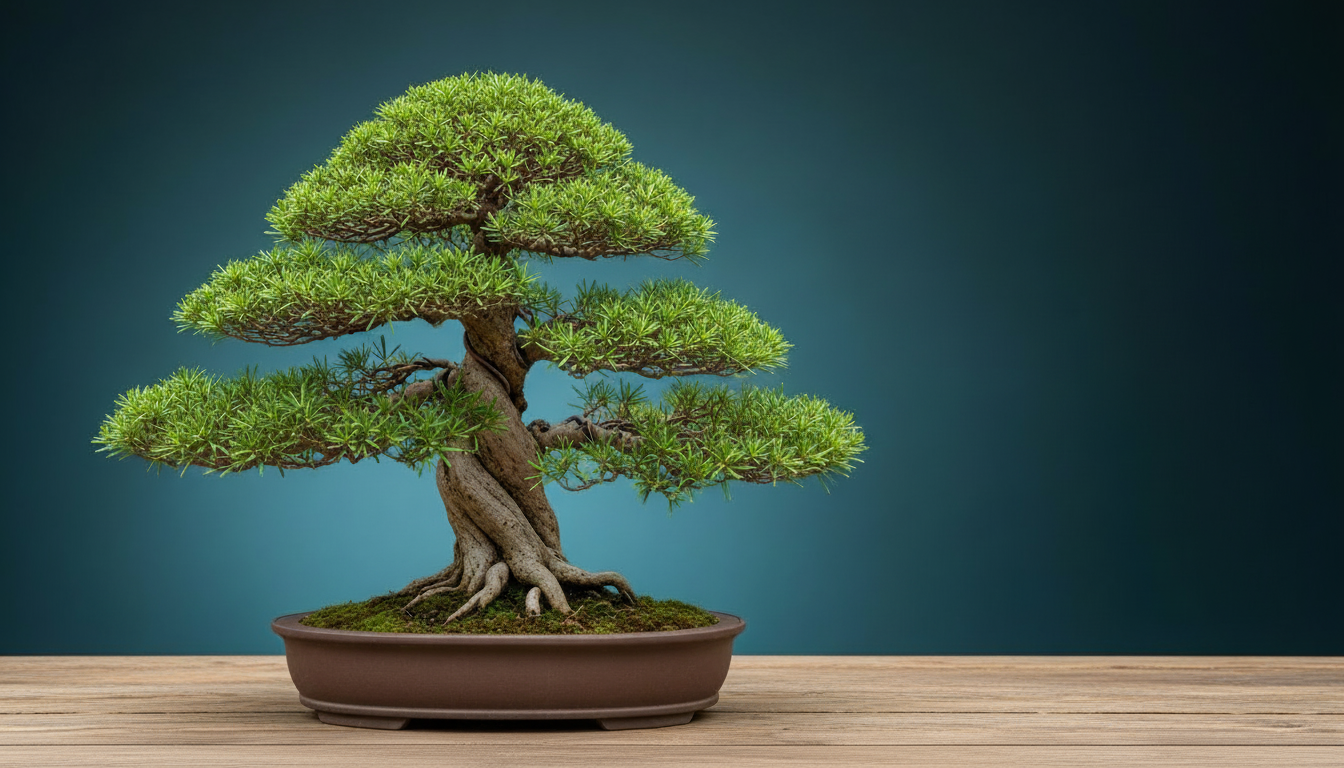
Bonsai cultivation is a unique gardening practice that involves growing miniature trees in containers while carefully shaping them to resemble full-sized trees found in nature. This art form combines horticultural knowledge, artistic creativity, and patience. Through precise pruning, wiring, and long-term care, gardeners create living sculptures that capture the beauty of natural landscapes in miniature form.
Although bonsai trees are small, the techniques used in bonsai cultivation require careful planning and dedication. Each tree is gradually shaped over many years, and some bonsai specimens are even passed down through generations. The process reflects the harmony between human creativity and natural growth patterns.
Bonsai cultivation is widely appreciated as a form of plant art. Enthusiasts often view their bonsai trees as living artworks that change over time. Because the trees continue to grow and respond to care techniques, the artist must continuously guide their development while respecting the tree’s natural characteristics.
Historical Origins of Japanese Bonsai
The art of bonsai cultivation is closely associated with Japanese gardening traditions, although its earliest roots can be traced back to ancient China. Early forms of miniature tree cultivation were practiced in Chinese culture as a method of creating small-scale landscapes within containers.
These miniature landscapes eventually influenced Japanese gardening practices, where the art form evolved into what is now recognized as bonsai. Japanese gardeners refined the techniques used to grow and shape miniature trees, focusing on balance, simplicity, and harmony with nature.
During the Edo period in Japan, bonsai cultivation became popular among artists, scholars, and nobles who appreciated its aesthetic beauty and philosophical meaning. Bonsai trees symbolized patience, discipline, and respect for natural processes.
Over time, the art spread to other parts of the world, and bonsai enthusiasts began practicing the craft internationally. Today, Japanese gardening traditions continue to influence bonsai techniques, although modern practitioners often experiment with new styles and tree species.
Common Tree Species Used in Bonsai
Many different tree species can be used for bonsai cultivation, but certain species are particularly well suited to the techniques required to maintain miniature trees. These trees respond well to pruning, shaping, and container growth.
The following table highlights several popular bonsai tree species and their characteristics.
| Tree Species | Characteristics | Bonsai Suitability |
|---|---|---|
| Juniper | Evergreen with flexible branches | Very popular for beginners |
| Pine | Symbol of longevity in Japanese gardening | Suitable for traditional styles |
| Maple | Known for colorful seasonal leaves | Ideal for decorative bonsai |
| Ficus | Tropical tree with strong roots | Good for indoor bonsai |
| Elm | Fast-growing and adaptable | Easy to shape and maintain |
Selecting the right species is important because different trees require different bonsai care techniques. Some species thrive outdoors in temperate climates, while others are better suited to indoor environments.
Experienced bonsai growers often choose species that naturally resemble mature trees even when small. This helps achieve the realistic appearance that defines bonsai plant art.
Essential Techniques in Bonsai Care
Bonsai cultivation requires several specialized techniques that help maintain the miniature size and aesthetic form of the tree. These techniques allow gardeners to control the tree’s growth while preserving its health.
Pruning is one of the most important aspects of bonsai care. Regular trimming of branches and leaves helps maintain the tree’s shape and encourages balanced growth. By carefully removing excess growth, bonsai artists guide the development of the tree’s structure.
Wiring is another technique used to shape branches. Thin wires are wrapped around branches and gently bent into desired positions. Over time, the branches grow in the new direction and maintain the intended form even after the wire is removed.
Root pruning is also essential in bonsai cultivation. Because bonsai trees grow in small containers, their roots must be periodically trimmed to prevent overcrowding. This process allows the tree to remain healthy while maintaining its miniature size.
Watering and soil management are equally important. Bonsai trees require well-draining soil and consistent watering schedules. Too much or too little water can harm the delicate balance required for healthy growth.
Artistic Principles of Bonsai Plant Art
Beyond horticultural techniques, bonsai cultivation involves artistic principles that influence the design of miniature trees. Bonsai artists aim to replicate the appearance of mature trees found in natural landscapes.
One important concept in bonsai design is balance. The arrangement of branches, trunk, and foliage should create a visually pleasing composition. Trees are often shaped to resemble natural forms such as windswept trees, forest groupings, or cascading branches.
Another principle is proportion. The trunk thickness, branch spacing, and leaf size should all appear natural relative to the miniature scale of the tree. Achieving this balance requires careful observation and years of gradual shaping.
Negative space also plays a role in bonsai aesthetics. Empty spaces between branches allow the viewer to appreciate the structure of the tree and create a sense of openness.
Because bonsai trees are living organisms, their design evolves over time. Artists must adapt their techniques as the tree grows and changes. This dynamic relationship between gardener and tree makes bonsai cultivation a continuous creative journey.
Cultural and Personal Benefits of Bonsai Cultivation
Bonsai cultivation offers many benefits beyond the creation of beautiful miniature trees. Practicing bonsai encourages patience and mindfulness because the trees develop slowly over many years.
Many enthusiasts find that caring for bonsai trees provides a calming and meditative experience. Observing the gradual changes in the tree’s growth fosters appreciation for natural processes and seasonal cycles.
Bonsai cultivation also promotes environmental awareness. Growers learn about plant biology, soil health, and climate conditions while nurturing their trees. This knowledge helps develop a deeper connection with nature.
Additionally, bonsai communities often share knowledge through workshops, exhibitions, and clubs. These gatherings allow enthusiasts to exchange ideas, display their trees, and celebrate the artistry of Japanese gardening traditions.
Some bonsai trees become family heirlooms that are passed down through generations. These trees carry both artistic value and sentimental significance, reflecting decades of careful care and dedication.
Final Thought
Bonsai cultivation is a remarkable practice that combines horticulture, artistry, and patience. Through the careful shaping of miniature trees, bonsai artists create living works of plant art that reflect the beauty of nature on a smaller scale. Rooted in Japanese gardening traditions and enriched by modern creativity, bonsai cultivation continues to inspire gardeners who appreciate the harmony between human creativity and the natural world.