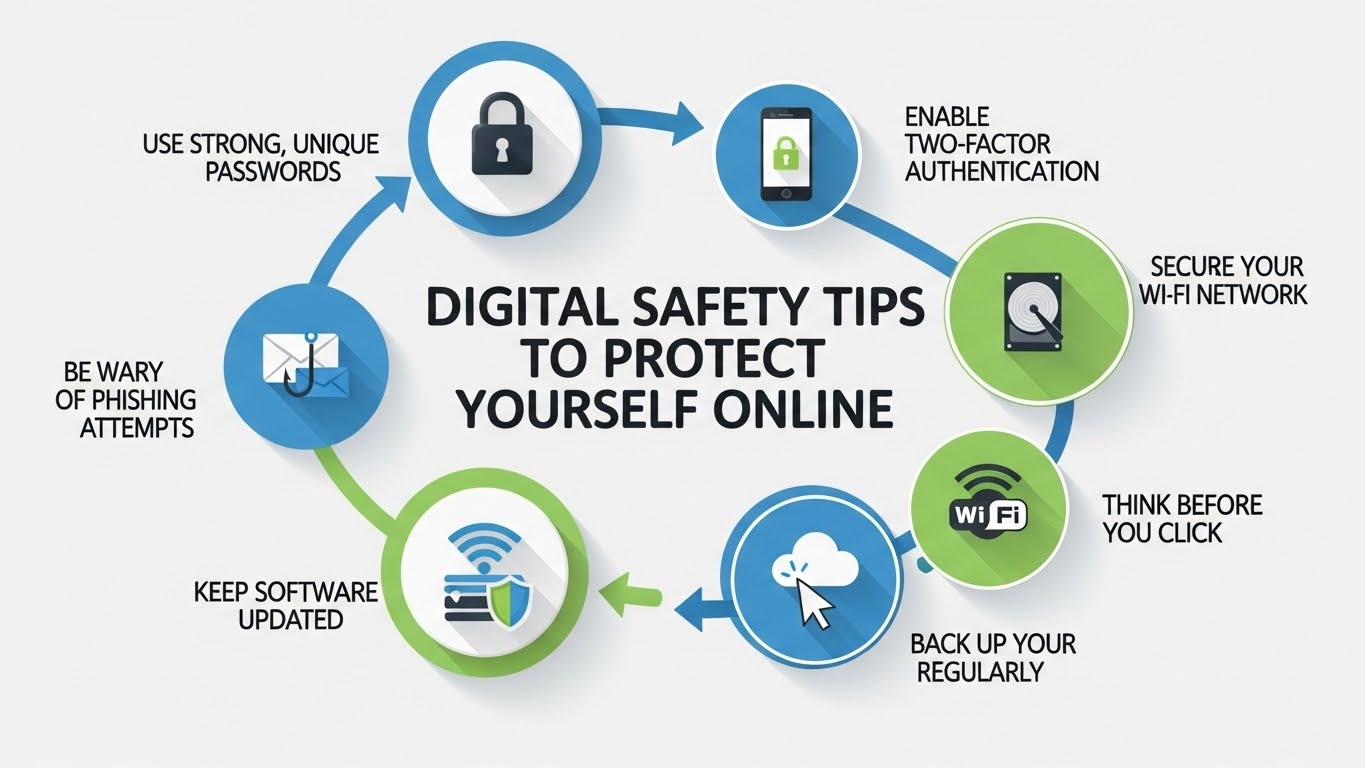
Digital safety has become a critical concern in today’s connected world. As people increasingly rely on the internet for communication, banking, shopping, work, and entertainment, the risk of cyber threats continues to grow. Online platforms offer convenience, but they also expose users to risks such as data theft, scams, identity fraud, and privacy breaches. Understanding digital safety is no longer optional; it is an essential life skill. By learning online security practices and building cyber awareness, individuals can protect themselves and their personal information while navigating the digital space with confidence.
Understanding Digital Safety and Online Risks
Digital safety refers to the practices and habits that protect users from online threats. These threats can include phishing emails, malicious software, fake websites, and data breaches. Many cyber attacks target individuals who lack awareness rather than advanced systems. Internet safety begins with understanding how attackers operate and recognizing warning signs. Cyber awareness helps users avoid suspicious links, fake messages, and unsafe downloads. When people understand the risks, they are more likely to take proactive steps to protect their data and online identity.
Importance of Online Security in Daily Life
Online security plays a major role in daily activities such as online banking, social networking, and remote work. Weak security practices can lead to financial loss, identity theft, and emotional stress. Strong passwords, secure networks, and regular updates are basic yet powerful tools for protection. Digital safety ensures that personal information remains private and inaccessible to unauthorized users. As technology becomes more integrated into everyday life, maintaining online security becomes just as important as physical safety.
Data Protection and Privacy Awareness
Data protection is a key element of digital safety. Personal data such as passwords, financial information, and identification details are valuable targets for cyber criminals. Protecting this information requires mindful behavior, such as sharing minimal personal details online and reviewing privacy settings regularly. Cyber awareness also includes understanding how apps and websites collect and use data. By staying informed and cautious, individuals can maintain control over their digital footprint and reduce the risk of data misuse.
Safe Internet Habits for Individuals and Families
Developing safe internet habits supports long-term digital safety. This includes using secure Wi-Fi networks, avoiding public computers for sensitive tasks, and logging out of accounts after use. For families, educating children about internet safety is essential. Teaching them not to share personal information and how to recognize unsafe content builds early cyber awareness. Consistent habits strengthen online security and help create a safer digital environment for everyone.
Cyber Awareness in Social Media and Online Platforms
Social media platforms are common targets for cyber threats. Fake profiles, phishing messages, and fraudulent links often appear harmless but can compromise security. Cyber awareness helps users identify suspicious activity and protect their accounts. Limiting the amount of personal information shared publicly reduces exposure to risk. Digital safety on social platforms also involves being cautious with friend requests and verifying sources before clicking links. Awareness and moderation are key to staying safe online.
Common Digital Safety Practices and Benefits
| Digital Safety Practice | Area of Use | Key Benefit |
|---|---|---|
| Strong passwords | Online accounts | Account protection |
| Two-factor authentication | Login security | Reduced hacking risk |
| Privacy settings | Social media | Data protection |
| Software updates | Devices | Improved security |
| Cyber awareness | Internet use | Scam prevention |
Protecting Devices and Personal Networks
Device security is an important part of digital safety. Installing antivirus software and keeping operating systems updated helps prevent malware attacks. Using secure networks instead of public Wi-Fi for sensitive activities improves online security. Firewalls and encryption further protect data from unauthorized access. When devices are properly secured, the risk of cyber threats is significantly reduced. Data protection starts with safeguarding the tools used to access the internet.
Long Term Benefits of Practicing Digital Safety
Practicing digital safety offers long-term benefits beyond immediate protection. It builds confidence in using technology and reduces anxiety related to online threats. Individuals who prioritize internet safety are less likely to experience data loss or identity theft. Cyber awareness also encourages responsible digital behavior and informed decision-making. Over time, strong online security habits support a safer and more reliable digital lifestyle.
Final Thought
Digital safety is an essential skill in the modern world, where online activity is part of daily life. By improving online security, practicing data protection, and building cyber awareness, individuals can protect themselves from digital threats. Internet safety is not about fear but about awareness and responsibility. Small, consistent actions make a significant difference. Prioritizing digital safety today ensures a more secure, confident, and peaceful online experience for the future.