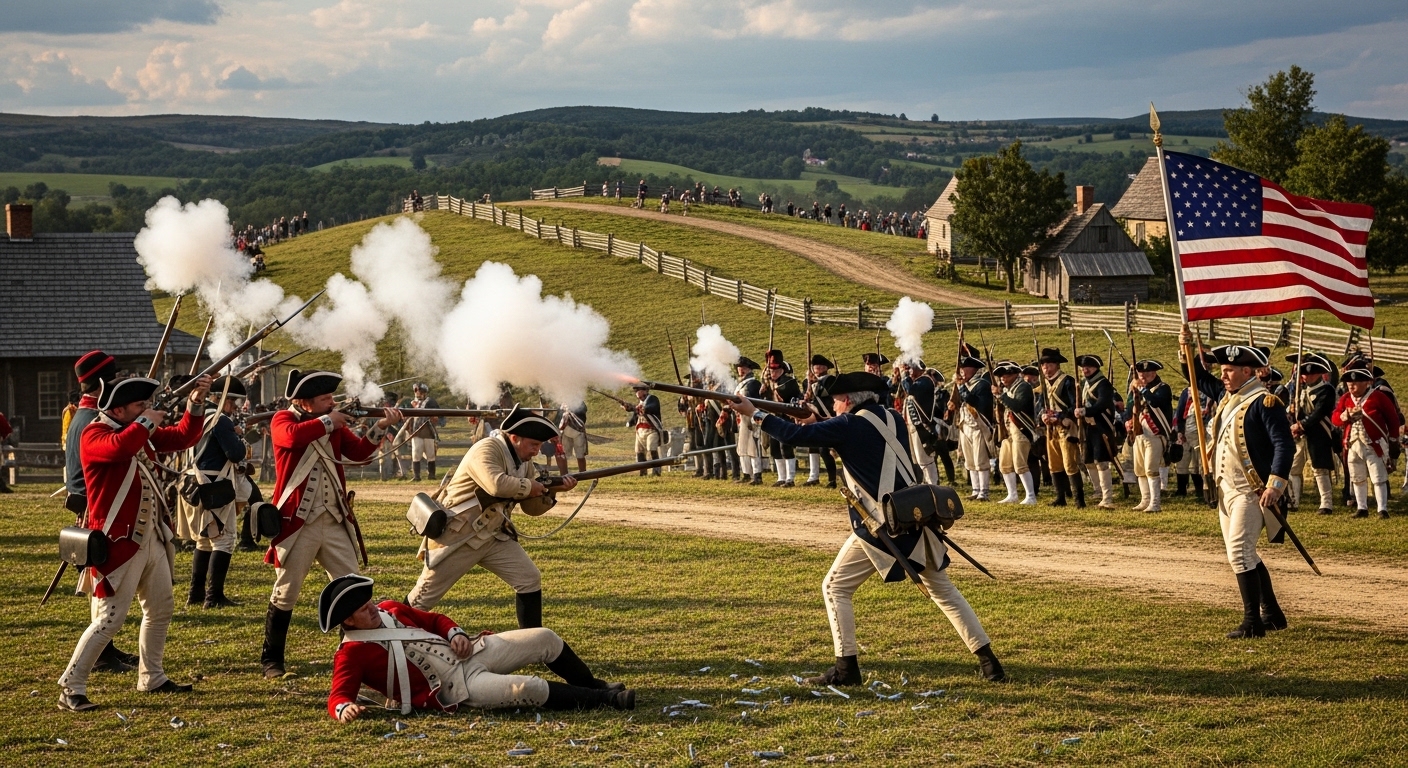
Historical reenactment is a unique activity where participants recreate events, lifestyles, and cultural traditions from different periods of history. Through costumes, props, performances, and carefully researched details, reenactors attempt to portray historical moments as accurately as possible. This practice is often referred to as living history because it allows people to experience historical events in a more interactive and engaging way.
For many enthusiasts, historical reenactment is more than entertainment. It is a history hobby that combines education, research, and community participation. Participants study historical documents, clothing styles, military equipment, and social customs to ensure their portrayals are authentic. These efforts help recreate scenes from various eras such as medieval battles, ancient festivals, or significant moments in national history.
Reenactment groups frequently perform at cultural events, museums, and historical festivals. These gatherings allow audiences to witness history in action rather than simply reading about it in books. By watching reenactors demonstrate traditional crafts, battle formations, or daily life activities, visitors gain a deeper understanding of the past.
Origins and Development of Living History
The concept of living history dates back several centuries, but organized historical reenactment became more prominent during the nineteenth and twentieth centuries. Early reenactments often focused on commemorating important battles or national events. Communities gathered to remember significant moments in their history through symbolic performances.
Over time, reenactment groups expanded their activities to include detailed historical portrayals. Instead of simply reenacting battles, participants began recreating everyday life from specific historical periods. This included demonstrating traditional crafts, cooking methods, clothing styles, and cultural customs.
Museums and educational institutions also began incorporating living history programs to engage visitors. Historical sites such as villages, forts, and heritage parks used reenactors to bring historical environments to life. Visitors could observe blacksmiths forging tools, farmers working fields with traditional equipment, or soldiers preparing for battle.
Today, historical reenactment has evolved into a global hobby practiced by enthusiasts from many countries. Different groups specialize in various time periods, including ancient civilizations, medieval societies, colonial settlements, and twentieth-century historical events.
Roles and Activities in Reenactment Groups
Participants in reenactment groups often take on specific roles that reflect the historical period they are portraying. Some reenactors focus on military roles such as soldiers or commanders, while others portray civilians such as merchants, artisans, farmers, or travelers.
The table below highlights common roles within historical reenactment groups.
| Role Type | Description | Purpose |
|---|---|---|
| Soldiers | Recreate historical military units | Demonstrate battle tactics |
| Craftspeople | Perform traditional crafts | Show historical skills |
| Merchants | Portray traders and shopkeepers | Represent economic life |
| Nobility or leaders | Represent historical figures | Provide historical storytelling |
| Civilians | Depict everyday community members | Show daily life in history |
Each role contributes to the authenticity of the reenactment event. By combining multiple roles, reenactment groups create realistic scenes that reflect the complexity of historical societies.
Participants often spend considerable time preparing their costumes and equipment. Clothing is usually designed based on historical research, ensuring that fabrics, patterns, and accessories match the time period being portrayed.
Educational Value of Historical Reenactment
One of the most important aspects of historical reenactment is its educational value. Living history provides a hands-on learning experience that helps people better understand historical events and cultural traditions.
When audiences watch reenactors demonstrate historical activities, they gain insights into how people lived in different eras. Observing traditional cooking techniques, agricultural practices, or craftsmanship allows visitors to appreciate the skills and challenges faced by past societies.
Educational institutions often collaborate with reenactment groups to enhance history lessons. Students may visit historical sites where reenactors present interactive demonstrations. These experiences help students visualize historical environments and make historical information more engaging.
Museums also benefit from reenactment programs. Instead of displaying artifacts behind glass cases, living history events allow visitors to see how those artifacts were used in everyday life. This interactive approach makes history more relatable and memorable.
Reenactors themselves often become experts in specific historical periods. Many participants conduct extensive research to ensure that their portrayals are accurate. This dedication contributes to the preservation and understanding of historical knowledge.
Cultural Events and Community Engagement
Historical reenactment frequently takes place at cultural events such as heritage festivals, historical anniversaries, and museum exhibitions. These events attract visitors who want to experience the atmosphere of past eras through immersive storytelling and demonstrations.
Reenactment festivals often feature battle reenactments, craft workshops, music performances, and traditional food demonstrations. Visitors can interact with participants and ask questions about historical customs and traditions.
Community engagement is an important aspect of reenactment activities. Many groups work closely with local governments, historical societies, and tourism organizations to promote cultural heritage. By hosting reenactment events, communities celebrate their history while attracting visitors interested in educational tourism.
These cultural events also provide opportunities for reenactors to collaborate and share knowledge. Groups from different regions often gather to recreate large-scale historical scenes that require cooperation and coordination.
The social aspect of reenactment encourages friendships and teamwork among participants. Many reenactors enjoy traveling to events where they can meet others who share their passion for history.
Challenges and Responsibilities of Reenactors
Although historical reenactment is an enjoyable hobby, it also requires significant dedication and responsibility. Maintaining historical accuracy is one of the main challenges faced by reenactors. Participants must carefully research clothing, tools, language, and customs to avoid misrepresenting historical facts.
Another challenge involves the cost and effort required to create authentic costumes and equipment. Many reenactors invest time in crafting their own clothing or acquiring historically accurate replicas of tools and weapons.
Safety is also an important consideration, especially during battle reenactments that involve simulated combat. Organizers establish strict safety guidelines to ensure that participants and spectators remain protected during performances.
Despite these challenges, reenactors often find the hobby deeply rewarding. The opportunity to step into the past and share historical knowledge with audiences makes the effort worthwhile.
Final Thought
Historical reenactment is a powerful way to bring past events and cultural traditions to life. Through living history performances, reenactment groups recreate historical moments that educate and inspire audiences. By combining research, storytelling, and community participation, historical reenactment transforms history from a distant subject into a vivid and engaging experience that helps preserve the stories of earlier generations.