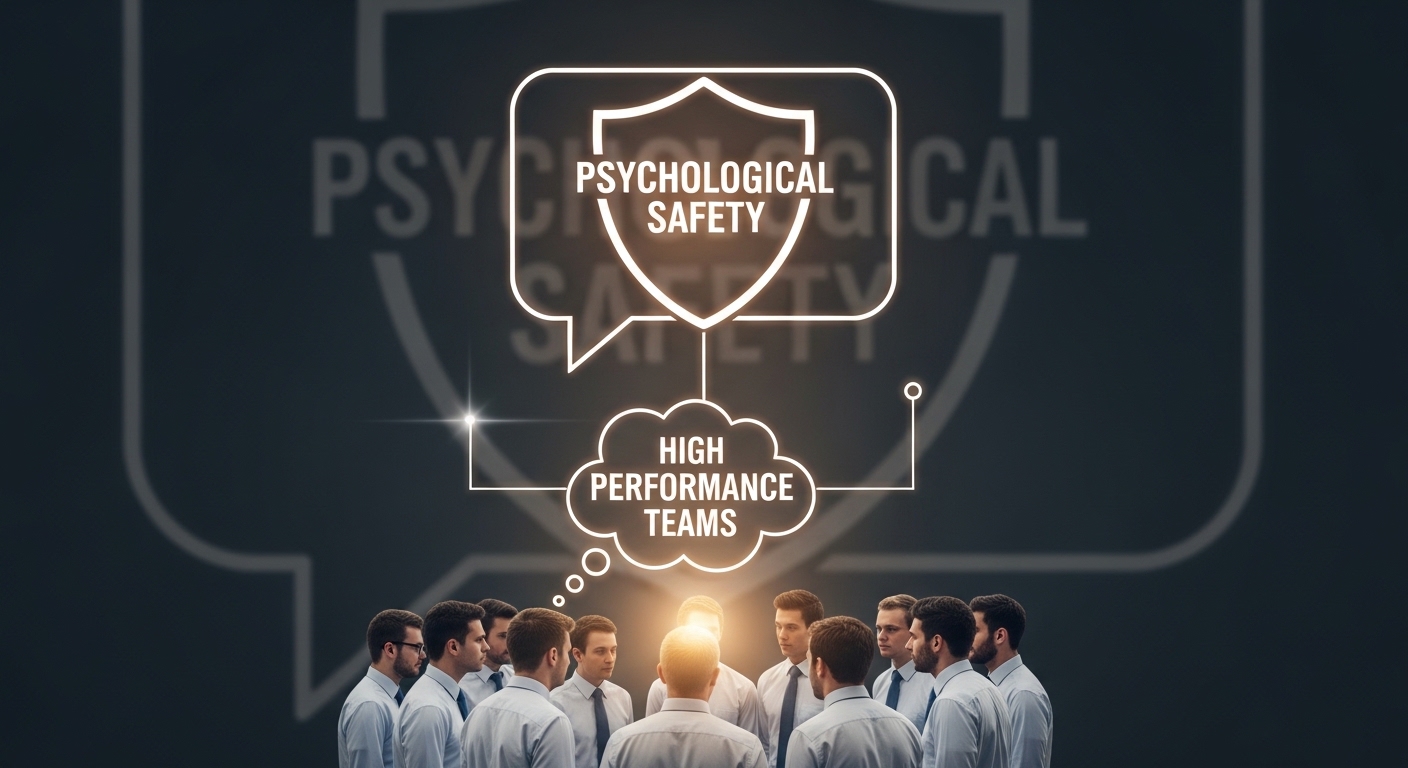
Psychological safety has emerged as a defining factor in high performance teams and effective organizational cultures. The concept refers to an environment in which individuals feel safe to express ideas, ask questions, admit mistakes, and challenge assumptions without fear of embarrassment or punishment. In modern workplaces characterized by rapid change, innovation demands, and collaborative problem solving, psychological safety is increasingly recognized as essential for strong team culture and sustainable performance.
Workplace psychology research shows that employees who feel psychologically safe are more likely to contribute ideas, share knowledge, and engage actively in team processes. Conversely, environments dominated by fear or judgment suppress communication and reduce creativity. Leadership trends now emphasize creating inclusive and supportive team climates that foster open dialogue and learning. As organizations shift toward knowledge-based and collaborative work models, psychological safety has become a cornerstone of employee engagement and high performance outcomes.
Understanding Psychological Safety and Team Dynamics
Psychological safety operates at the group level rather than solely as an individual trait. It reflects shared perceptions within a team about whether interpersonal risk taking is accepted and valued. When team members believe they can speak up without negative consequences, communication becomes more transparent and constructive. This openness supports better decision making and faster problem resolution.
In workplace psychology, psychological safety is closely linked to trust, respect, and inclusion. Teams with high psychological safety encourage diverse perspectives and constructive disagreement. Members are more willing to acknowledge uncertainties or errors, which enables learning and continuous improvement. In contrast, low-safety environments often lead to silence, conformity, and hidden problems.
The table below compares characteristics of teams with high and low psychological safety.
| Team Aspect | High Psychological Safety | Low Psychological Safety |
|---|---|---|
| Communication | Open and candid | Guarded and cautious |
| Error Handling | Learning oriented | Blame oriented |
| Idea Sharing | Encouraged | Suppressed |
| Conflict Style | Constructive debate | Avoidance or hostility |
| Engagement Level | High participation | Minimal involvement |
These differences illustrate how psychological safety shapes team culture and effectiveness.
Impact on Innovation and High Performance Teams
Innovation requires experimentation, questioning, and iteration, all of which involve uncertainty and potential failure. Psychological safety creates conditions where team members feel comfortable proposing novel ideas and exploring unconventional approaches. High performance teams depend on this openness to generate creative solutions and adapt to changing demands.
Organizations that prioritize psychological safety often see improved collaboration and faster innovation cycles. Employees share insights freely, challenge assumptions, and identify risks early. This collective intelligence enhances problem solving and decision quality. Leadership trends in innovative industries emphasize fostering safe environments where mistakes are treated as learning opportunities rather than failures.
Research in workplace psychology also shows that psychological safety improves team learning behaviors such as feedback seeking and reflection. Teams analyze outcomes more objectively and refine processes continuously. These behaviors are essential for sustained high performance in complex and dynamic environments.
Role of Leadership in Building Psychological Safety
Leadership behavior is one of the strongest determinants of psychological safety within teams. Leaders who demonstrate openness, humility, and respect encourage employees to voice opinions and concerns. Conversely, authoritarian or dismissive leadership styles often create fear and silence. Modern leadership trends therefore emphasize inclusive leadership practices that promote trust and participation.
Effective leaders model vulnerability by acknowledging uncertainties and admitting mistakes. This signals that learning and improvement are valued over perfection. Leaders also create structured opportunities for input, such as open discussions and retrospective reviews. By responding constructively to feedback and dissent, they reinforce safe communication norms.
Recognition and support further strengthen psychological safety. When employees feel their contributions are valued, engagement increases. Leaders who actively listen and show empathy foster stronger interpersonal connections within teams. These behaviors align leadership practices with positive workplace psychology principles and enhance team culture.
Psychological Safety and Employee Engagement
Employee engagement is closely linked to psychological safety because individuals are more motivated and committed when they feel respected and heard. Engaged employees contribute discretionary effort, collaborate willingly, and invest in team success. Psychological safety enables this engagement by reducing fear and promoting belonging.
In psychologically safe environments, employees are more likely to seek help, share knowledge, and support colleagues. This collaboration improves productivity and reduces errors. Workplace psychology studies show that teams with high psychological safety experience lower burnout and turnover rates because employees feel valued and supported.
Organizational initiatives aimed at improving engagement increasingly include psychological safety assessments and interventions. Surveys, team workshops, and leadership coaching help identify barriers to open communication. By addressing these factors, organizations can strengthen both engagement and performance outcomes.
Future Trends in Workplace Psychology and Team Culture
The importance of psychological safety is expected to grow as workplaces become more collaborative, diverse, and knowledge-driven. Remote and hybrid work models increase the need for intentional communication and trust-building practices. Without physical proximity, employees may hesitate to speak up unless leaders actively cultivate psychological safety.
Diversity and inclusion initiatives also intersect with psychological safety. Teams composed of varied backgrounds and perspectives require safe environments to leverage diversity effectively. Inclusive team culture ensures that all voices are heard and respected, enhancing creativity and innovation.
Technology is also shaping workplace psychology. Digital collaboration tools provide new channels for idea sharing and feedback, but they require supportive norms to ensure open participation. Future leadership trends will likely emphasize psychological safety as a core competency for managing distributed and interdisciplinary teams. As organizational complexity increases, safe communication environments will be essential for sustained high performance.
Final Thought
Psychological safety is critical in high performance teams because it enables open communication, learning, and collaboration within a supportive team culture. Through evolving leadership trends, workplace psychology insights, and employee engagement strategies, organizations can create environments where individuals feel safe to contribute fully. As work becomes increasingly complex and collaborative, psychological safety will remain a foundational element of effective and innovative teams.