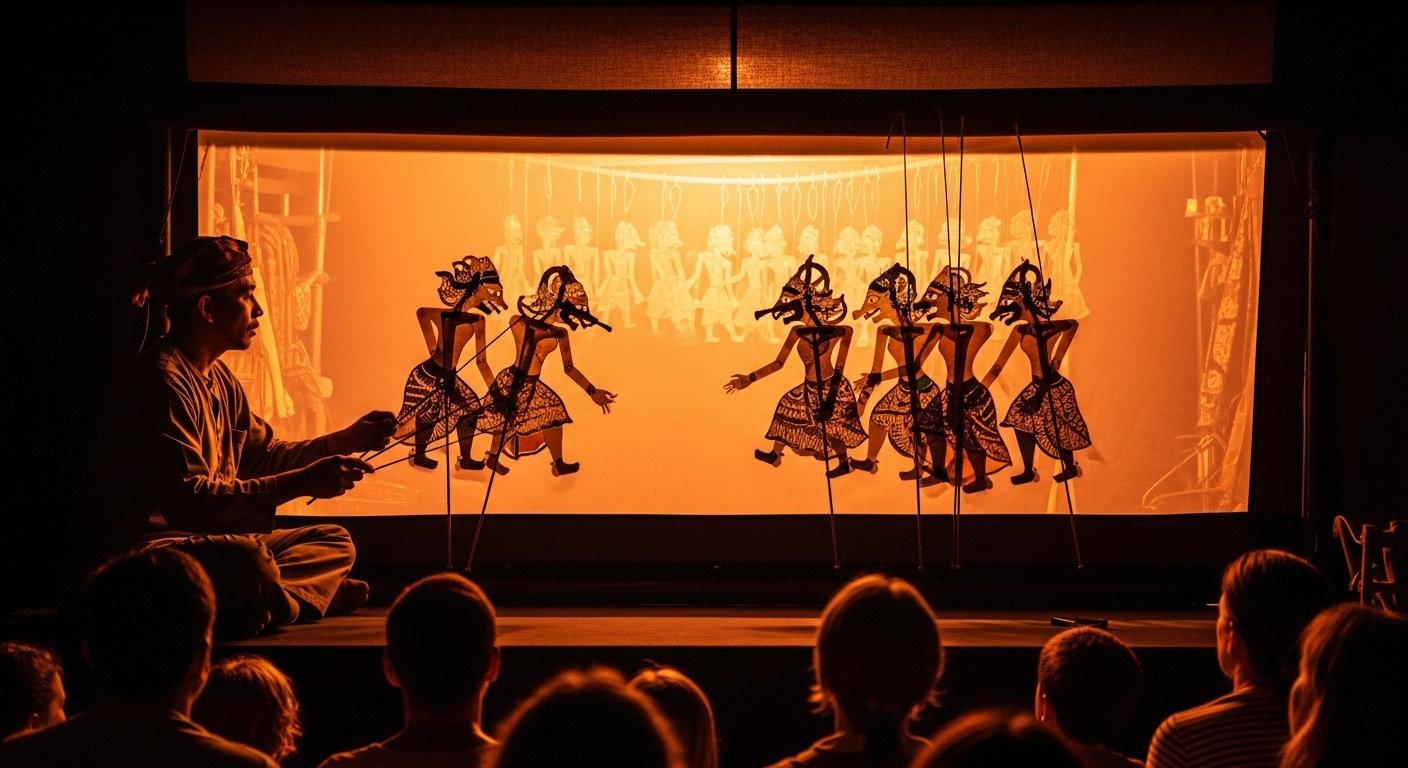
Shadow puppetry is one of the oldest and most captivating forms of artistic expression, deeply rooted in cultural traditions across the world. This unique form of puppet theater uses flat figures, light, and shadows to create dramatic storytelling experiences. For centuries, shadow puppetry has served as a medium for preserving storytelling traditions, conveying moral lessons, and entertaining audiences of all ages.
As a form of cultural art, shadow puppetry reflects the beliefs, values, and histories of different societies. It combines visual artistry with narrative depth, making it a powerful tool for communication and education. In an era dominated by digital media, the continued relevance of shadow puppetry highlights the enduring importance of traditional performance art. Its ability to connect past and present makes it a vital cultural practice that continues to evolve while preserving its roots.
Understanding Shadow Puppetry and Puppet Theater Techniques
Shadow puppetry involves manipulating puppets behind a translucent screen while projecting light to create moving shadows. The puppets are typically made from materials such as leather, paper, or wood, and are intricately designed to represent characters and scenes. Skilled puppeteers use rods or strings to control the movements, bringing the figures to life in a dynamic form of puppet theater.
The techniques used in shadow puppetry require precision and coordination. Puppeteers must synchronize their movements with dialogue, music, and lighting to create a seamless performance. This combination of elements makes shadow puppetry a sophisticated form of performance art that demands both technical skill and artistic creativity.
Regions such as Indonesia are renowned for their shadow puppetry traditions, particularly the art of Wayang Kulit. These performances often depict epic stories and cultural narratives, showcasing the richness of storytelling traditions. Such practices continue to influence modern interpretations of shadow puppetry, blending traditional methods with contemporary themes.
By mastering these techniques, artists can create engaging performances that captivate audiences and preserve cultural heritage. The intricate interplay of light, shadow, and movement makes shadow puppetry a truly unique form of puppet theater.
Benefits of Shadow Puppetry in Preserving Cultural Art
One of the most significant benefits of shadow puppetry is its role in preserving storytelling traditions. Through performances, cultural stories and historical narratives are passed down from one generation to the next. This continuity helps maintain a sense of identity and connection within communities.
Shadow puppetry also promotes artistic expression. As a form of performance art, it allows artists to experiment with visual design, narrative structure, and character development. This creative freedom ensures that the art form remains dynamic and relevant.
Another advantage is its educational value. Shadow puppetry can be used to teach history, ethics, and social values in an engaging and accessible way. The combination of visual and narrative elements makes it an effective tool for learning and communication.
Additionally, shadow puppetry fosters community engagement. Performances often bring people together, creating shared experiences that strengthen social bonds. This communal aspect is an important feature of cultural art, highlighting the role of shadow puppetry in building connections and preserving traditions.
Comparison Table: Shadow Puppetry vs Modern Digital Entertainment
| Feature | Shadow Puppetry | Modern Digital Entertainment |
|---|---|---|
| Medium | Physical puppet theater | Digital screens and devices |
| Interaction | Live performance art | Virtual or recorded content |
| Cultural Value | Strong link to storytelling traditions | Limited cultural depth |
| Creativity | Handmade puppets and manual control | Technology-driven production |
| Audience Experience | Intimate and immersive | Mass consumption |
| Preservation | Maintains cultural art | Focuses on entertainment trends |
This comparison highlights how shadow puppetry offers a unique and meaningful alternative to modern entertainment. While digital media provides convenience, shadow puppetry emphasizes cultural depth and artistic craftsmanship.
Challenges Facing Shadow Puppetry in the Modern Era
Despite its cultural significance, shadow puppetry faces several challenges. One of the main issues is the decline in audience interest, as modern entertainment options compete for attention. Younger generations may be less familiar with traditional puppet theater, leading to reduced participation.
Another challenge is the preservation of skills. Shadow puppetry requires specialized knowledge and training, which may not be widely accessible. As experienced practitioners age, there is a risk of losing valuable expertise.
Financial sustainability is also a concern. Organizing performances and maintaining equipment can be costly, and limited funding may hinder the growth of shadow puppetry as a professional art form.
However, efforts are being made to address these challenges. Cultural organizations, educational programs, and festivals are promoting shadow puppetry and encouraging new talent. By adapting to modern contexts while preserving traditional elements, shadow puppetry can continue to thrive.
The Future of Shadow Puppetry in Performance Art
The future of shadow puppetry lies in its ability to adapt and innovate. Artists are exploring new ways to integrate technology, such as digital projections and multimedia elements, into traditional performances. This fusion of old and new approaches is expanding the possibilities of performance art.
Educational initiatives are playing a crucial role in preserving shadow puppetry. Workshops and training programs are introducing younger generations to the craft, ensuring that storytelling traditions continue to be passed down.
Global collaboration is also contributing to the growth of shadow puppetry. Artists from different cultures are sharing techniques and ideas, creating new interpretations of this traditional art form. This exchange of knowledge enriches cultural art and promotes diversity in performance art.
As interest in cultural heritage and storytelling traditions increases, shadow puppetry is likely to regain prominence. Its ability to convey meaningful narratives through visual and dramatic elements ensures its relevance in the modern world.
Final Thoughts
Shadow puppetry is a timeless and powerful form of puppet theater that preserves storytelling traditions and cultural art. Through its unique combination of light, shadow, and movement, it creates engaging performances that connect audiences with history and tradition.
While challenges such as declining interest and skill preservation exist, the continued efforts to promote and adapt shadow puppetry offer hope for its future. By embracing innovation while maintaining its cultural roots, this form of performance art will continue to inspire and educate generations to come.