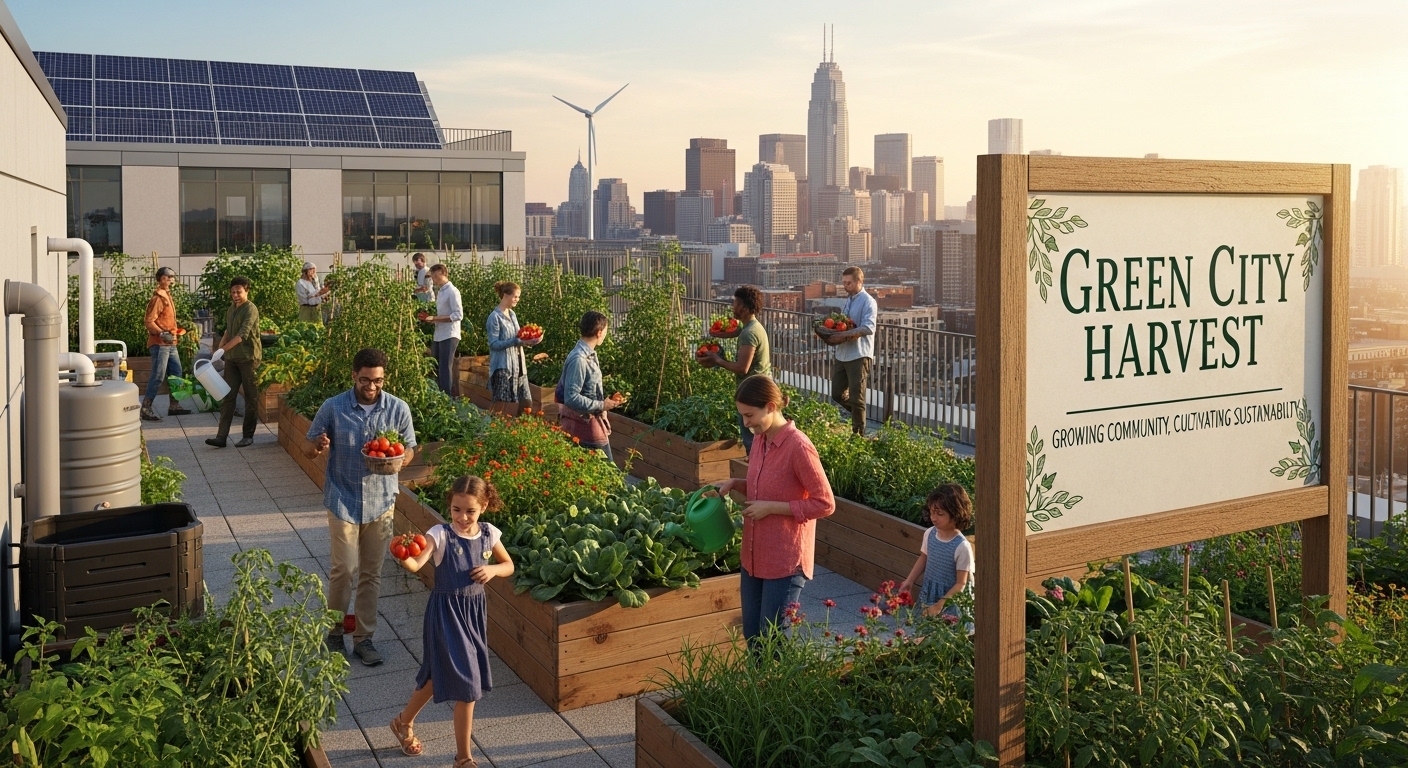
Urban gardening is emerging as a powerful movement reshaping how cities approach food production, environmental responsibility, and community well-being. As urban populations grow and green spaces shrink, residents are turning rooftops, balconies, backyards, and vacant lots into productive gardens. This shift toward city farming supports sustainable living by reducing food miles, improving air quality, and strengthening local food systems. Urban gardening is no longer a niche hobby but a meaningful solution for greener and more resilient cities.
Understanding Urban Gardening and City Farming
Urban gardening refers to growing food and plants within city environments, often in limited spaces. City farming includes small-scale food production in residential areas, community gardens, and shared urban plots. These practices make use of innovative techniques such as container gardening, vertical growing systems, and hydroponics. By adapting traditional agriculture to urban settings, city farming allows residents to reconnect with food production while maximizing available space.
Role of Urban Gardening in Sustainable Living
Sustainable living focuses on reducing environmental impact while meeting everyday needs. Urban gardening contributes to this goal by lowering reliance on industrial agriculture and long-distance food transportation. Locally grown produce requires fewer resources and produces less carbon emissions. Home gardening also encourages composting, water conservation, and organic growing practices, making sustainability a daily habit rather than an abstract concept.
Impact on Green Cities and Environmental Health
Green cities prioritize environmental health alongside urban development. Urban gardening enhances green infrastructure by increasing vegetation coverage, which helps regulate temperatures and reduce urban heat island effects. Plants absorb carbon dioxide and release oxygen, improving air quality in densely populated areas. Additionally, gardens support biodiversity by attracting pollinators and beneficial insects, creating healthier urban ecosystems.
Social and Community Benefits of Home Gardening
Home gardening strengthens social connections and improves quality of life. Community gardens bring neighbors together, fostering collaboration and shared responsibility. These spaces often become centers for education, cultural exchange, and mental well-being. Gardening activities reduce stress, promote physical activity, and provide access to fresh, nutritious food. In many cities, urban gardening initiatives also address food insecurity by supplying produce to underserved communities.
Comparison of Traditional Food Supply vs Urban Gardening
| Aspect | Traditional Food Supply | Urban Gardening |
|---|---|---|
| Food Distance | Long transportation routes | Grown locally |
| Environmental Impact | High emissions | Low emissions |
| Food Freshness | Reduced over time | Harvested fresh |
| Community Involvement | Minimal | High engagement |
| Resource Use | Intensive | Efficient and adaptive |
Challenges and Solutions in Urban Gardening
Despite its benefits, urban gardening faces challenges such as limited space, soil contamination, and access to resources. Cities are addressing these issues through policy support, shared garden programs, and education initiatives. Innovations like raised beds, vertical systems, and indoor growing solutions help overcome space constraints. As awareness grows, urban planning increasingly incorporates green spaces that support home gardening and community farming.
Future of Urban Gardening in Sustainable Cities
The future of urban gardening is closely tied to sustainable city development. As technology advances, smart irrigation systems, data-driven planting methods, and renewable energy integration will enhance productivity. Urban gardening will play a key role in climate adaptation strategies and local food resilience. By integrating city farming into urban design, cities can create healthier environments for future generations.
Final Thought
Urban gardening is more than a trend; it is a practical response to the challenges of modern urban life. By supporting city farming, sustainable living, and green cities, urban gardening empowers individuals to contribute to environmental health and community resilience. As more people embrace home gardening, cities move closer to a future that balances growth with sustainability and well-being.